Average Salary in Nigeria by Profession: Latest 2026 Guide & Data

Making a career choice, switching jobs, or preparing for a salary negotiation without current data is like navigating Lagos without a map—you might get somewhere, but not efficiently. Understanding the average salary landscape is the first, crucial step in advocating for your true professional worth.
The Nigerian job market in 2026 is characterized by significant disparities. Salaries are heavily influenced by industry sector, company size (multinational vs. local), specific skills in demand, and geographic location, with major hubs like Lagos and Abuja commanding premiums. The data presented here synthesizes insights from recent salary surveys, job platforms, and industry reports to provide a realistic snapshot.
⚠️ Important Note on Data: “Average Salary” figures, especially in Nigeria, should be viewed as a guideline range, not an absolute guarantee. Final compensation is always determined by a combination of factors including your unique experience, negotiation skills, and the specific company’s structure.
Understanding the Salary Spectrum: Key Professions in 2026
The following table provides a comparative overview of estimated monthly salary ranges for various professions. These figures represent gross income before deductions and are categorized to show the progression from entry-level to experienced roles.
| Profession / Industry | Experience Level | Estimated Monthly Salary Range (Gross ₦) | Key Influencing Factors |
|---|---|---|---|
| Information Technology | Junior (0-3 yrs) | ₦180,000 – ₦450,000 | Specialization (AI, Cybersecurity, Cloud), Tech Stack, Remote Global Roles |
| Mid to Senior (4+ yrs) | ₦500,000 – ₦2,000,000+ | ||
| Finance & Banking | Entry-Level Officer | ₦150,000 – ₦350,000 | Institution Type (Tier-1 Bank, FinTech), Professional Certification (ACA, ACCA) |
| Manager & Above | ₦600,000 – ₦1,800,000+ | ||
| Engineering (Oil & Gas) | Graduate Engineer | ₦300,000 – ₦600,000 | Sector (IOC vs. Services), Hazard Pay, Project Bonuses |
| Senior/Project Manager | ₦900,000 – ₦3,000,000+ | ||
| Healthcare (Private Sector) | Medical Officer | ₦350,000 – ₦700,000 | Specialization, Facility Tier, Shift Allowances |
| Consultant/Specialist | ₦1,000,000 – ₦2,500,000+ | ||
| Marketing & Sales | Associate/Exec. | ₦120,000 – ₦300,000 | Performance Bonuses, Industry (FMCG, Tech), Digital Skills |
| Manager/Director | ₦500,000 – ₦1,500,000+ | ||
| Legal | Associate (NYSC-3yrs) | ₦130,000 – ₦400,000 | Firm Tier (Top vs. Boutique), Commercial vs. Litigation Focus |
| Senior Associate/Partner | ₦800,000 – ₦4,000,000+ | ||
| Education (Private/Int’l) | Class Teacher | ₦100,000 – ₦250,000 | Institution Type (Int’l School, University), Qualifications, Subject |
| Professor/HOD | ₦500,000 – ₦1,200,000+ | ||
| Skilled Trades | Artisan (Electrician) | ₦80,000 – ₦200,000 | Certification, Self-Employment, Clientele |
| Contractor/Business Owner | ₦300,000+ (Varies Widely) |
Key Trends Shaping Salaries in 2026
-
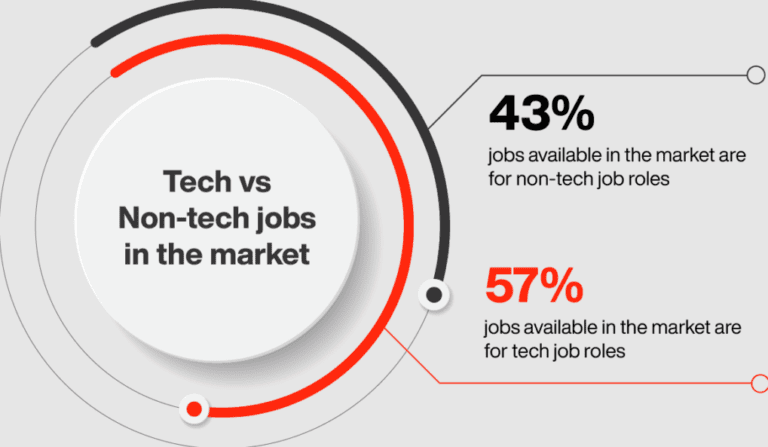
The Digital Skill Premium: The gap between tech and non-tech roles continues to widen. Professionals with expertise in Artificial Intelligence, Data Science, Cybersecurity, and Cloud Architecture command salaries that compete with global remote opportunities, significantly pulling averages upward.
-
The Industry Divide: Traditional high-paying sectors like Oil & Gas and Banking remain strong, but FinTech, HealthTech, and renewable energy are rapidly creating new high-value roles. Working for a multinational corporation or a well-funded startup typically offers a 40-100% premium over similar roles in locally-focused firms.
-
The Negotiation Imperative: The listed “average” is often a starting point. Candidates with in-demand certifications, a proven portfolio, and strong negotiation skills can secure offers at the top—or even above—the stated ranges. Failing to negotiate often means leaving significant money on the table.
How to Use This Data to Negotiate Your Worth
-
Benchmark, Don’t Assume: Use the ranges above as a starting point for your research. Cross-reference with specific job postings on platforms like LinkedIn, Jobberman, and MyJobMag for the most current data.
-
Anchor Your Ask on Value: When negotiating, don’t just say, “The average is ₦X.” Instead, frame it as: “Based on my [specific skill, e.g., experience in reducing cloud infrastructure costs by 30%] and the market rate for this level of role, I am seeking a compensation package in the range of ₦X.”
-
Consider the Total Package: Look beyond the base salary. In Nigeria, benefits like housing allowance, transportation, health insurance, pension contributions, and performance bonuses can add 25-50% to your total compensation. Evaluate the entire offer.
Conclusion
The 2026 salary landscape in Nigeria rewards specialization, strategic industry choice, and professional assertiveness. While averages provide an essential map, your unique skills and negotiation prowess determine your final destination. Armed with this data, you can approach your career planning and salary discussions not with hope but with informed confidence, ensuring you are compensated fairly for the value you bring to the table.
Frequently Asked Questions (FAQs)
1. Why is there such a wide range (e.g., ₦500,000 – ₦2,000,000+) for some professions?
The massive range reflects the extreme bifurcation of the Nigerian job market. The lower end often represents roles at local companies or those without niche specializations. The upper end includes salaries at multinational corporations, firms serving international clients, and roles requiring rare, cutting-edge skills (like AI engineering). Location (Lagos/Abuja vs. others) and the ability to earn in foreign currency (for remote tech roles) are also major drivers.
2. How accurate and current can this 2026 data be?
This guide is based on the latest available surveys, job advertisements, and industry reports leading into 2026. In a dynamic economy, salaries can shift. Treat these figures as a powerful benchmark, not a fixed quote. For the most precise figure before a negotiation, research specific companies and roles on job boards and leverage your professional network for insider information.
3. The average for my profession seems low. What can I do to earn at the top of the range?
Earning at the top requires a deliberate strategy:
-
Specialize: Move from a generalist to an expert in a high-demand niche.
-
Certify: Obtain globally recognized professional certifications relevant to your field.
-
Build a Portfolio: Have tangible proof of your impact (e.g., projects, case studies, performance metrics).
-
Target the Right Companies: Focus your job search on multinationals, leading FinTechs, or tech companies known for competitive pay.
-
Learn to Negotiate: Practice and prepare for the compensation conversation. Your salary is more often a test of your negotiation skills than a strict measure of your worth.