Lagos vs Abuja Salary Comparison: Which City Really Pays Better?
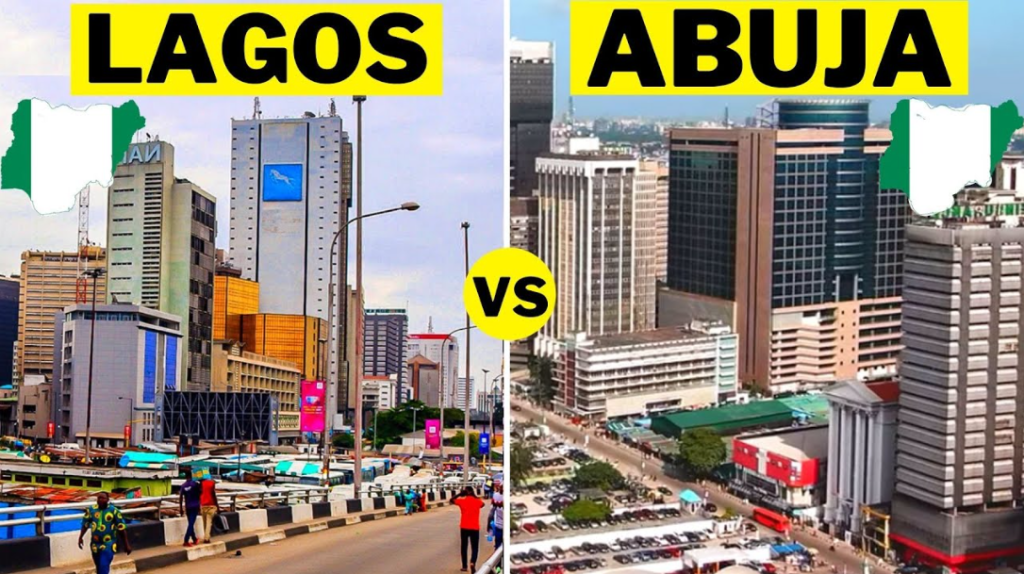
Choosing between Lagos and Abuja is one of Nigeria’s biggest career decisions. Both cities promise opportunity, but they offer fundamentally different value propositions: one is the commercial heartbeat, the other is the administrative capital. The question of which pays better isn’t just about the number on your payslip; it’s about what that number can buy and the life it affords you.
This analysis moves beyond averages to dissect the real earning potential, cost of living, and career trajectory in each metropolis. We’ll weigh the raw salary against the concrete realities of daily life to determine which city offers the superior financial equation for your career stage and goals.
The Headline Numbers: Salary Showdown by Sector
Salaries in both cities are influenced by industry, but the premium varies. The table below compares estimated monthly gross salary ranges for professional roles.
| Industry / Profession | Lagos Estimate (Gross ₦) | Abuja Estimate (Gross ₦) | Which City Pays More? |
|---|---|---|---|
| Banking & Finance | ₦180,000 – ₦3,500,000+ | ₦170,000 – ₦2,800,000+ | Lagos. Higher concentration of headquarters and commercial deals. |
| Technology & IT | ₦200,000 – ₦4,000,000+ | ₦180,000 – ₦2,200,000+ | Lagos. The undisputed tech hub with more startups and global remote roles. |
| Oil, Gas & Energy | ₦250,000 – ₦4,000,000+ | ₦220,000 – ₦3,000,000+ | Comparable. Lagos for HQ/Commerce; Abuja for regulatory/upstream. |
| Civil Service & Govt. | ₦100,000 – ₦1,200,000 | ₦120,000 – ₦2,000,000+ | Abuja. Higher-grade federal positions and political appointments. |
| Legal Services | ₦150,000 – ₦3,000,000+ | ₦140,000 – ₦2,500,000+ | Lagos. For corporate/commercial law, Abuja, for arbitration/administrative law. |
| Marketing & Media | ₦120,000 – ₦1,800,000 | ₦100,000 – ₦1,200,000 | Lagos. The center of advertising, media houses, and brand HQs. |
Key Insight: For the private sector, market-driven roles (Tech, Finance, FMCG), Lagos consistently offers a 10-30% premium at mid-to-senior levels due to higher competition and concentration of corporate headquarters. Abuja leads decisively only in federal civil service and policy-related roles.
The Cost-of-Living Counterbalance: What Your Salary Actually Buys
A higher nominal salary means little if it’s consumed by a higher cost of living. Here’s where the balance shifts.
| Expense Category | Lagos Realities | Abuja Realities | Which is More Expensive? |
|---|---|---|---|
| Housing (2-Bed Apt) | Extreme Premium: ₦1.5M – ₦4M+ yearly in Ikeja, VI, Ikoyi. More affordable options in mainland suburbs, but with brutal commute costs. | High, but Structured: ₦1.2M – ₦2.5M yearly in central areas (Wuse, Garki). Better value inthe outskirts (Lugbe, Kubwa) with better road access. | Lagos. Higher rents for comparable quality, especially in prime business districts. |
| Transportation | Major Cost & Stress Factor. Fuel, maintenance, and ride-hailing (Bolt/Uber) are significant. Traffic can double commute time/cost. | Costly but More Predictable. Less severe traffic congestion overall, leading to lower weekly fuel/transport budgets. | Lagos. Higher direct costs and an immense “time tax” from traffic. |
| Lifestyle & Sundries | High Variability. Everything is available at every price point. Markets are competitive, but premium lifestyle costs are extreme. | Generally Higher. Food, dining, and entertainment often carry a premium due to a higher concentration of civil servants and diplomats. | Mixed. Lagos is cheaper for mid-market goods; Abuja is pricier for an upscale lifestyle. |
| “The Stress Tax” | Very High. The mental and physical toll of daily logistics, noise, and bustle is a real, if intangible, cost affecting well-being. | Moderate. A more planned city leads to predictable commutes and a generally calmer pace of life. | Lagos. The stress of navigating the city has a tangible quality-of-life cost. |
The Opportunity & Career Growth Factor
-
Lagos: The Network Effect. It’s where deals are made, trends are set, and businesses scale. The density of professionals creates unparalleled networking opportunities, serendipitous connections, and exposure to cutting-edge industries. Career growth can be vertical and lateral due to the vast array of companies.
-
Abuja: The Access Effect. It’s where policies are formed, regulations are enforced, and government contracts are awarded. Proximity to power, ministries, and diplomatic circles offers a different kind of career capital. Growth is often tied to understanding bureaucratic systems and building influence.
Final Verdict: Which City Pays Better?
The answer depends entirely on your profession, career stage, and personal priorities.
Choose LAGOS if:
-
You work in Tech, Banking, Media, or Commerce.
-
You are an early-career professional and need maximum opportunity density to build your network and skills.
-
You thrive in a fast-paced, competitive environment and are willing to trade comfort for career velocity.
-
Your goal is to maximize raw, nominal income in the private sector.
Choose ABUJA if:
-
You work in the Civil Service, Public Policy, Diplomacy, or Defense.
-
You are mid-to-senior level and value work-life balance and predictable living.
-
Your career advancement is linked to government, regulation, or political access.
-
You prioritize a higher quality of daily life and are willing to accept a slightly lower private-sector salary ceiling for it.
The Bottom Line: Lagos offers higher nominal salaries in the high-growth private sector, but Abuja can offer a better real salary when adjusted for cost of living, stress, and quality of life. For most private-sector professionals, the higher gross pay in Lagos still wins for wealth accumulation, but it comes at a significant lifestyle cost. In Abuja, your naira may go further in creating a comfortable, stable life, especially if you are in a government-related field.
Frequently Asked Questions (FAQs)
1. Can I earn a Lagos salary while living in a cheaper city through remote work?
This is the new ideal scenario and is increasingly common in the tech and digital services sectors. If you can secure a remote role with a Lagos-based or international company, you can capture the high Lagos salary while avoiding its high costs, effectively giving you the best of both worlds. This is the single most powerful financial arbitrage in Nigeria today.
2. I’ve been offered the same role in both cities. The Lagos salary is 15% higher. Which should I take?
You must do a detailed cost-of-living calculation. If your annual rent, projected transportation, and stress-related costs in Lagos are more than 15% higher than in Abuja, the Abuja offer is financially superior. Create a simple spreadsheet comparing the net difference after your major living expenses. The “higher” salary is the one that leaves more disposable income.
3. Which city is better for starting a business?
Lagos is better for B2C (Business-to-Consumer), tech, and fast-moving commerce due to its vast market, logistics networks, and investor presence. Abuja is better for B2G (Business-to-Government), consulting, and hospitality, targeting diplomats and government officials. The ecosystem, target customers, and necessary networks are completely different.