Remote Jobs for Students and Fresh Graduates: Flexible Careers

Being a student or a fresh graduate is the perfect time to start a remote career. You need flexible hours, real-world experience, and a way to earn money. Remote work fits your schedule and helps you build a resume while you study or look for your first big job.
This guide lists the best flexible remote jobs for you. We focus on roles that let you control your hours, learn valuable skills, and start with little to no experience.
Top Remote Jobs for Your Schedule
| Job Title | What You Do | Best For… | How to Start |
|---|---|---|---|
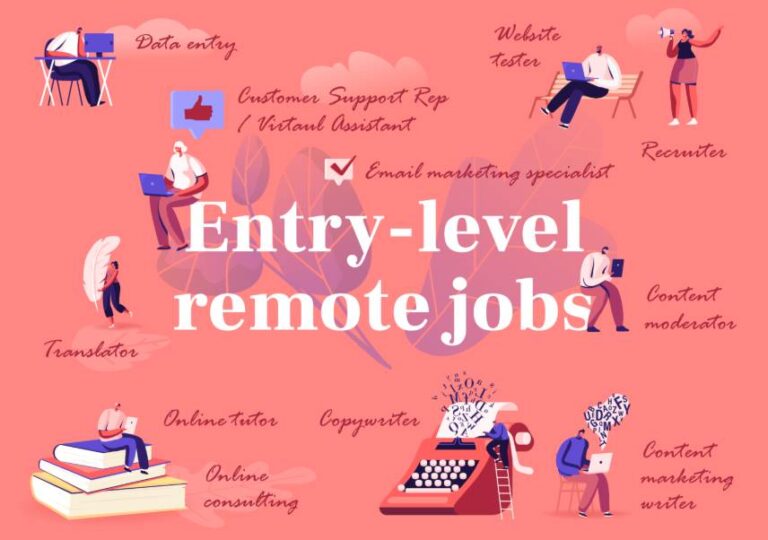
| Online Tutor / Coach | Teach a subject you are good at (Math, Science, English, Coding) to other students over video call. | Students who excel in a particular subject. Great pay per hour. | 1. Pick your strongest 1-2 subjects. 2. Sign up on platforms like Preply, Tutor.com, or Skooli. |
| Freelance Writer | Write articles, blog posts, or social media content for websites and small businesses. | Anyone good at writing and research. You choose your projects. | 1. Start a free blog on Medium to publish samples. 2. Apply for small gigs on Upwork or Fiverr. |
| Virtual Assistant (VA) | Help a busy professional with online tasks: email management, scheduling, light research, and data entry. | Organized students who are good communicators. Very flexible. | 1. List tasks you can do (e.g., Google Sheets, email). 2. Offer services to small business owners or entrepreneurs you find online. |
| Social Media Assistant | Help a brand or creator manage their social accounts: schedule posts, reply to comments, and find content. | Social media-savvy students. You learn digital marketing skills. | 1. Grow your own Instagram/TikTok to show you understand engagement. 2. Use free tools like Canva and Later to create samples. |
| Customer Support Agent | Answer customer questions via email, chat, or phone for a company. Many offer part-time shifts. | Problem-solvers with good communication. Often includes training. | 1. Search for “Part-Time Remote Support” on LinkedIn. 2. Highlight any club or volunteer experience showing helpfulness. |
| Data Entry Specialist | Input information from forms or audio into spreadsheets or systems. Simple, task-based work. | Anyone needing very flexible, project-based work. | 1. Practice typing speed and accuracy. 2. Look for micro-tasks on Upwork or Clickworker. |
| Transcriptionist | Convert audio or video files into written text. Pay is based on audio length and your speed. | Good listeners with fast typing and strong grammar. | 1. Practice with free audio files online. 2. Apply on beginner-friendly sites like Rev or TranscribeMe. |
How to Balance Work with Studies
The biggest benefit of remote work is flexibility. Here’s how to make it work:
-
-
-
Block Your Time: Treat your job like a class. Schedule specific 2-3 hour blocks in your week for work. Stick to that schedule.
-
Communicate Clearly: Tell your client or manager your available hours (e.g., “I can work weekday evenings and weekends”). Being upfront builds trust.
-
Start Small: Don’t take on a 40-hour/week job during exams. Begin with 5-10 hours per week and increase when you have more time.
-
Use the Right Tools: Use a free app like Google Calendar to color-code your study, class, and work times so you don’t double-book yourself.
-
-
Turning Your Student Job into a Career Starter
Don’t just work for the paycheck. Use this opportunity to build your future resume:
-
-
-
Collect Your Work: Save good feedback from clients, samples of writing or designs you did, and data showing your impact (e.g., “Grew social media followers by 20%”).
-
Ask for a Recommendation: When you finish a project or do great work, politely ask your client or manager if they would write a short LinkedIn recommendation for you.
-
Learn a Professional Skill: Choose a job that teaches you a skill you want to use later (like writing, digital marketing, or basic coding). This experience counts more on your CV than your degree alone.
-
-
Conclusion
Remote work is the perfect fit for student and graduate life. It gives you the control you need over your time while providing real experience and income.
Start by picking one job from the list that matches your current skills. Apply for a few positions, and be clear about your schedule. Your first remote job is not just a way to earn money—it’s the first step in building a modern, flexible career.
Frequently Asked Questions (FAQs)
1. How many hours per week should I work as a student?
A good rule is not let work hurt your grades. For a full-time student, 10-15 hours per week is manageable. During holidays or light course loads, you can work 20-30 hours. Always prioritize your studies—they are your long-term investment.
2. What if I have zero work experience for my CV?
You create experience. Do the “How to Start” steps in the table above. Your blog, your social media growth, or your tutor profile is your experience. List these projects on your CV under a “Projects & Freelance Work” section instead of a traditional job history.
3. Can I do these jobs from a university dorm or a shared apartment?
Yes, but you need a plan. You will need:
-
-
A quiet corner for calls and focused work (use libraries when you can).
-
Good headphones with a microphone for clear audio.
-
A stable internet connection. Test your Wi-Fi before an interview.
-
To communicate with roommates about your work schedule so they know when you need quiet.
-